Equipment grounding and distribution box connection
Equipment grounding should be connected to the distribution box via a continuous, low-resistance path using a green or bare copper conductor bonded to the panel's ground bus and all metal enclosures.
Steps to Connect Equipment Grounding
1. Identify the Grounding Conductor: Use a separate, insulated green or bare copper conductor for equipment grounding. This conductor should run continuously from the main service ground or grounding electrode system to the distribution box and all connected equipment . 2. Connect to the Ground Bus: Inside the distribution panel, locate the ground bus bar. Attach the equipment grounding conductor to this bus using a green hexagonal terminal screw, pressure connector, or approved grounding lug . Ensure the connection is secure and not easily removable. 3. Bond Metal Enclosures and Conduits: All metal conduits, raceways, and equipment enclosures entering or exiting the panel must be bonded to the ground bus. Use conduit grounding bushings and locknuts that cut through paint to ensure a reliable electrical path . For expansion or deflection fittings, install bonding jumpers to maintain continuity. 4. Connect Branch Circuits: Each branch circuit should include a grounding conductor connected to the ground bus in the panel. Wiring devices, such as outlets or switches, must have their ground terminals connected to this conductor to ensure safety . 5. Verify Continuity: Ensure the grounding system is electrically continuous from the service equipment to all downstream panels, devices, and metal enclosures. This allows fault currents to safely travel to the earth, enabling protective devices like circuit breakers to operate correctly . 6. Compliance with NEC: Follow NEC Sections 250.30, 250.50, 250.130, and 250.134 for grounding and bonding requirements. The equipment grounding conductor must not be interrupted, and connections should be made at accessible points within the service or distribution equipment .
Key Considerations
- Use UL-approved clamps and connectors for all grounding connections.
- Maintain proper conductor sizing according to NEC Table 250.122.
- Bond all communications and metal piping systems to the grounding system where required.
- Ensure that the neutral conductor is only bonded to the ground at the main service disconnect to prevent dangerous neutral currents on equipment . By following these steps, the equipment grounding will provide a safe, low-resistance path for fault currents, protecting both people and equipment from electric shock and damage.
 Information
 GROUNDING OF UTILITY AND INDUSTRIAL DISTRIBUTION
In this workshop, we will demystify the concepts of grounding as applicable to utility networks and industrial plant distribution systems
 Information
 How To Ground Electrical Enclosure: The Complete Guide
Moreover, it will include the hardware that you will use for grounding all the metallic components of the enclosure
 Information
 Fundamentals of Grounding in Industrial Automation and Control
The subject of grounding in electronics is broad and complex, spanning across a variety of functions and objectives.
 Information
 9 Recommended Practices for Grounding
Bond all metal enclosures, raceways, boxes, and equipment grounding conductors into one electrically continuous
 Information
 Correct Connection Method Of Grounding Wire Of
Following the above steps and precautions can ensure the correct connection of the
 Information
 The Basics of Grounding & Bonding Electrical Systems | EC&M
The green screw is the main bonding jumper connecting the grounded busbar to the enclosure. A threaded hub (upper right)
 Information
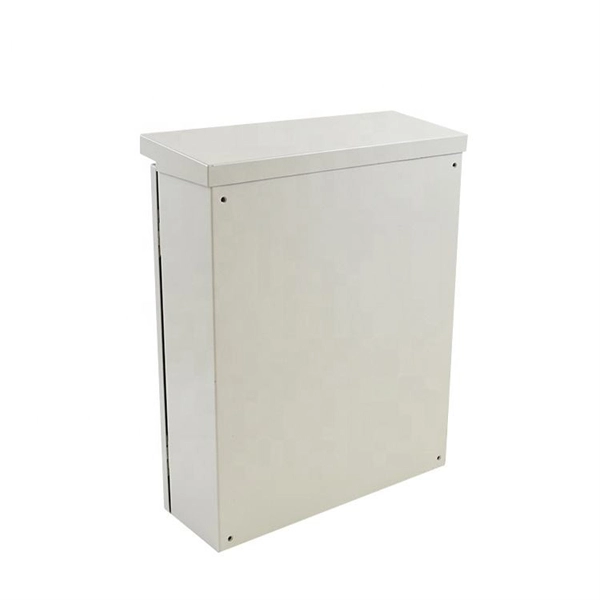
 DISTRIBUTION BOX
Each DISTRIBUTION BOX and controller must be grounded. On the US market, a 5.26 mm 2 (10 AWG) ground wire
 Information
 Grounding Practices in Power Distribution Systems
Substation Grounding Importance of Substation Grounding There are several factors that make substation grounding absolutely
 Information
 How To Make Proper Grounding and Bonding Connections
Despite plenty of EC&M resources on grounding and bonding, including theory and specific
 Information
 Grounding System Installation Standards for Distribution Boxes and
Whether you''re a seasoned pro or just starting out, this comprehensive guide will give you practical insights into proper
 Information
 Nine Recommended Practices for Grounding
Use equipment grounding conductors sized equal to the phase conductors to decrease circuit impedance and improve
 Information
 The Basics of Grounding and Bonding
Section 250.4 states the general requirements for grounding and bonding of electrical systems for both grounded and ungrounded
 Information
 250.148 Continuity of Equipment Grounding Conductors and
If circuit conductors are spliced within a box or terminated on equipment within or supported by a box, all wire-type equipment
 Information
 250.148 Continuity of Equipment Grounding Conductors and
A connection used for no other purpose shall be made between the metal box and the equipment grounding conductor (s). The
 Information
 Electrical grounding explained
Discover the importance of electrical grounding and how it prevents equipment damage. Learn more about safe
 Information
 GROUNDING AND BONDING FOR ELECTRICAL SYSTEMS
Connect the conductor from the panel ground bus or connector at the source to all items to which the conduits or raceways connect.
 Information
 Equipment Grounding
Main Bonding Jumper: Attached to the service equipment or main distribution panel, this jumper connects
 Information
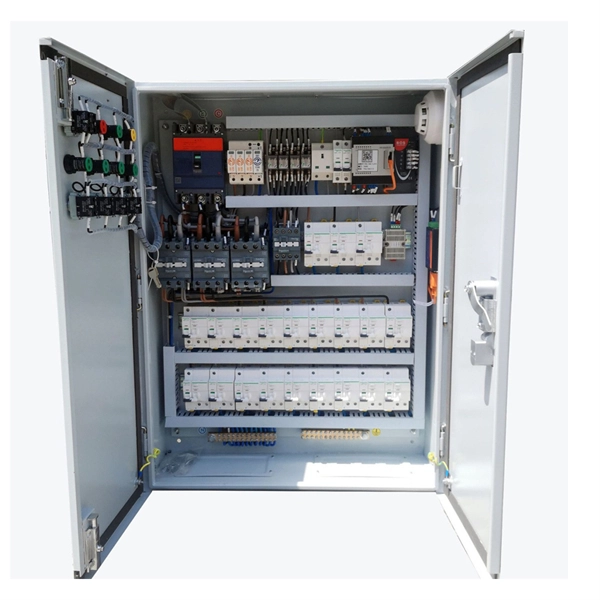
 How to Ground an Electrical Panel: A Complete Guide
Learn how to ground an electrical panel step-by-step. Ensure safety, code compliance, and
 Information
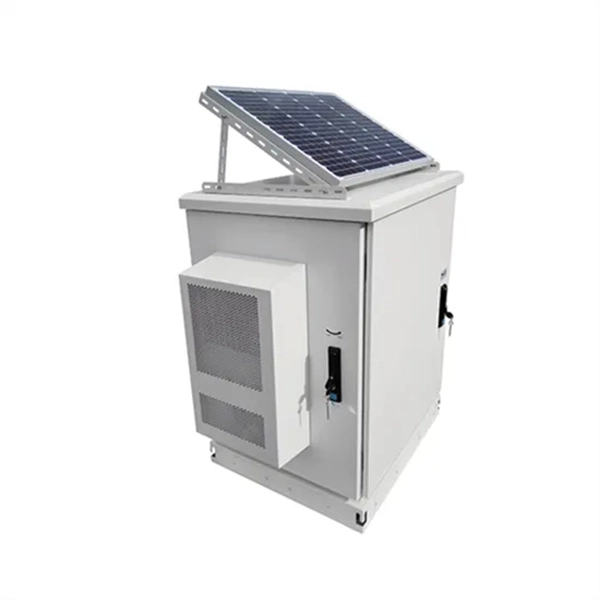
 Grounding & Bonding — Why it is done And How to Install Properly
Bonding is accomplished when the electrician connects equipment grounding conductors to the equipment grounding terminal bar in
 Information
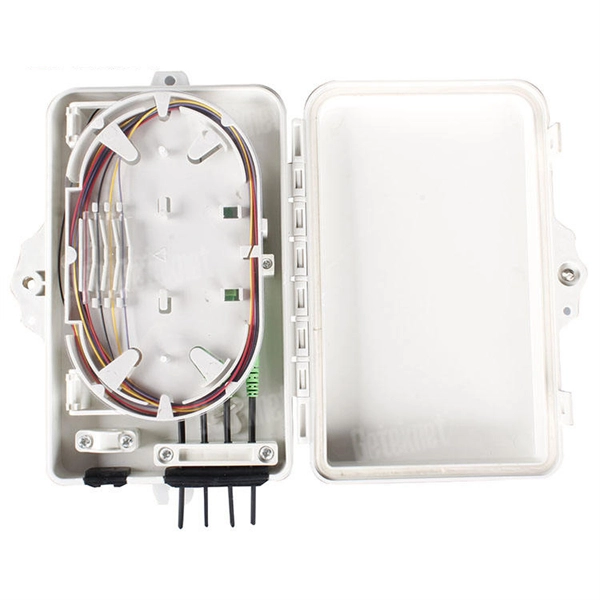
 Grounding system construction: key points for grounding distribution
Everything looks perfect until the moment of truth arrives. That''s why today we''ll break down the life-or-death details of
 Information
 Grounding Practices in Power Distribution Systems
Connection and Protection: It is crucial to connect grounding transformers to the system in a way that
 Information
 250.148 Continuity of Equipment Grounding Conductors and
An equipment grounding conductor passing through the box without a splice is not required to be joined inside the box to others that
 Information
 A Practical Guide to Safe and Effective Grounding in Industrial
Safe grounding is essential for protecting personnel and equipment in industrial plants. By understanding grounding threats, using
 Information
 Grounding Electrical Boxes
The equipment-grounding wires then connect to the screw, making the metal box part of the grounding system. An
 Information
 NEC 2023 Basics: Equipment Grounding Conductors
Generally, the NEC requires only one equipment grounding conductor per circuit, which can be any type specified in
 Information
 250.148 Continuity and Attachment of Equipment Grounding
Requiring the equipment grounding conductors of all spliced circuits in a box to be connected to the metal box ensures that a metal
 Information
 Electrical grounding and bonding per NEC
Examples of ground-fault current paths are any combination of equipment grounding
 Information
 Industrial Automation Wiring and Grounding Guidelines
Mounting, Bonding, and Grounding After establishing all layouts, you can begin mounting, bonding, and grounding each chassis.
 Information
 Equipment Grounding
Purpose of Equipment Grounding Connecting electrical equipment''s metal components that do not transport current to the earth is
 Information
 Good practices in the design and installation of a facility
With the increasing use of electronic computer systems, noise control has become
 Information
 Electrical Grounding Explained: Basics & Standards
This article will discuss how to safely and effectively ground your industrial equipment in a
 Information
 26 05 26 Grounding and Bonding Electrical Systems_06_15_16
Ground all equipment with insulated ground wires run in conduit with circuit conductors. Construct metal raceway systems to create
 Information
 Grounding Do''s and Don''ts: Essential Best Practices for Reliable
Learn the critical do''s and don''ts of grounding to protect your equipment, reduce downtime, and ensure electrical and
 Information
 System and Equipment Grounding Safety – Power Quality Blog
Grounding is usually done at two levels: system grounding and equipment grounding. The system ground is a special